Calling: A Handwritten Script Font for Engaging Web Design
As a web designer, I’m always on the lookout for fonts that can add a touch of personality and elegance to my projects. Recently, I came across Calling, a fun and friendly handwritten script font, and I was eager to see how it would perform in a real website layout. After testing it in various sections of a creative portfolio site, I can confidently say that Calling brings a unique and appealing aesthetic to digital design.
Visual Characteristics and Personality
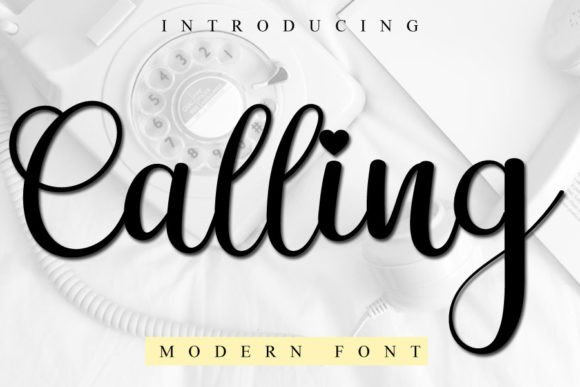
Calling is a premium font with a charming, hand-drawn feel. Its flowing, cursive style adds a touch of elegance and creativity, making it perfect for projects that need a personal, artistic touch. The font’s smooth curves and natural variations in stroke width give it a lively, organic appearance, which can help a brand stand out and create a memorable impression.
Testing in Real Web Layouts
I started by using Calling in the hero section of a creative portfolio website. The font’s large, bold presence immediately drew attention to the main message, creating a strong visual hierarchy. The handwritten style added a personal and approachable feel, which is ideal for artists, designers, and creatives who want to connect with their audience on a more human level.
Next, I tested Calling in a landing page headline. Here, the font’s decorative nature made the text stand out, encouraging users to read further. The font’s readability was excellent in this context, even when used over an image banner. The contrast between the dark font and the light background helped the text remain legible and visually appealing.
Readability and Responsive Design
When it comes to mobile screens, Calling performs well. The font’s clean lines and balanced spacing make it easy to read, even on smaller devices. However, I recommend using it sparingly for longer text, as its decorative elements can become overwhelming in large blocks. For body copy, a clean sans serif or simple serif font would be a better choice to maintain readability and accessibility.
In terms of responsive design, Calling adapts nicely to different screen sizes. The font’s fluidity and natural flow make it versatile for various layouts, from desktop to mobile. Just be sure to test the font at different breakpoints to ensure it maintains its charm and readability across all devices.
Font Pairing and Brand Consistency
One of the key aspects of using Calling effectively is pairing it with complementary fonts. For a modern and professional look, I paired Calling with a clean sans serif font like Roboto or Open Sans. This combination creates a balanced and harmonious design, where the handwritten style of Calling adds character, while the sans serif provides clarity and simplicity.
For a more editorial and sophisticated feel, you could pair Calling with a classic serif font like Georgia or Merriweather. This pairing works well for blog headers, article titles, and other content-driven sections, where a mix of elegance and readability is essential.
Suitable and Unsuitable Uses
Calling is particularly well-suited for:
- Website headers and hero sections
- Landing page headlines and call-to-action areas
- Online shop banners and product highlights
- Blog graphics and featured images
- Course pages and educational materials
- Portfolio sites and creative showcases
However, it may not be the best choice for:
- Long body copy and dense paragraphs
- Small navigation text and form labels
- Accessibility-heavy interfaces and dense dashboard layouts
Final Considerations
Before integrating Calling into your web design projects, make sure to check the included styles, alternates, and weights. Additionally, verify that the font supports the languages and characters you need. It’s also crucial to review the commercial font licensing to ensure you have the right permissions for your specific use case, whether it’s for a client project, online store, or digital template.
In summary, Calling is a versatile and stylish script font that can enhance the visual appeal and emotional impact of your web designs. With careful consideration and strategic use, it can become a valuable asset in your design toolkit, helping you create engaging and memorable online experiences.