Exploring Moka: A Versatile Handwritten Font for Creative Projects
As I opened a fresh brand board for a new café visual refresh, I knew I needed a font that would bring a touch of whimsy and personality. Enter Moka, a fun and playful handwritten font that immediately caught my eye. With its bouncy, casual style, Moka seemed like the perfect fit to give this café a friendly, inviting vibe.
Visual Characteristics and Personality
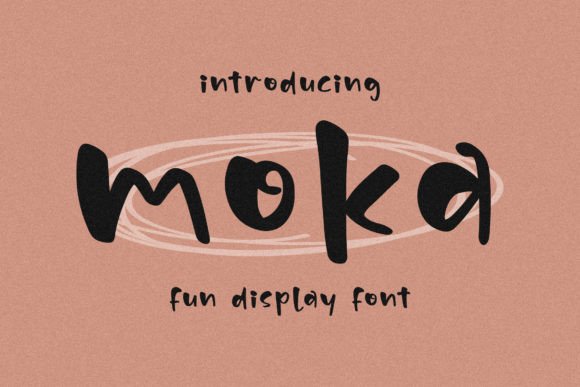
Moka is a premium font that exudes a lighthearted, hand-drawn feel. Its irregular, slightly uneven strokes mimic the natural flow of handwriting, making it appear both spontaneous and charming. The letters have a bouncy, lively quality, with subtle variations in thickness that add to its organic, human touch. This font’s personality is all about being approachable, cheerful, and full of life—perfect for brands that want to convey a sense of warmth and creativity.
Performance in Branding and Design
I started by testing Moka on a logo concept for the café. The font’s playful nature made the café’s name, “Brew & Bites,” come alive, giving it a friendly, neighborhood feel. It worked beautifully as a display font, capturing attention without overwhelming the design. For a more refined look, I paired Moka with a clean, modern sans serif font, which balanced the overall aesthetic and maintained a professional edge.
Next, I moved on to the packaging mockup. Moka’s handwritten style added a personal, artisanal touch to the coffee bags and pastry boxes. The font’s readability was excellent at larger sizes, making it ideal for product labels and signage. However, I noticed that at smaller sizes, some of the finer details and irregularities could become less legible, so I kept that in mind for the final design.
Moka in Web and Social Media Design
For the café’s website, I used Moka as the headline font in the homepage hero section. The font’s unique, hand-drawn style stood out, creating a memorable first impression. In social media graphics, Moka added a dynamic, engaging element to posts, especially when used for short, impactful phrases. The font’s versatility allowed me to create a cohesive look across different platforms, from Instagram posts to Facebook banners.
When it came to business cards and other printed materials, Moka continued to shine. The font’s distinctive, handwritten quality made the café’s contact information and promotional messages stand out, adding a personal touch that felt authentic and welcoming.
Practical Considerations and Font Pairing
While Moka is a fantastic choice for logos, headlines, and short phrases, it may not be the best option for long body text or formal corporate use. The font’s irregular, playful style can sometimes make it challenging to read in smaller sizes or dense paragraphs. For these scenarios, I recommend pairing Moka with a more traditional serif or sans serif font to ensure readability and maintain a professional appearance.
One of the strengths of Moka is its included styles and alternates. The font offers a range of swashes, ligatures, and stylistic alternatives, allowing for creative customization. This variety is particularly useful for designers looking to add a unique, personalized touch to their projects. Additionally, Moka supports multiple languages, making it a versatile choice for international brands and multilingual designs.
Final Thoughts and Licensing
Overall, Moka is a delightful and versatile handwritten font that brings a touch of charm and personality to any project. Its playful, organic style makes it an excellent choice for logos, branding, packaging, and social media graphics. However, it’s essential to test the font thoroughly in your specific design context to ensure it meets your needs, especially in terms of readability and consistency.
Before using Moka in client work, always check the commercial font licensing to ensure you have the right permissions for your intended use, whether it’s for brand identity, packaging, templates, merchandise, or digital products. With its unique character and wide range of applications, Moka is a valuable addition to any designer’s toolkit.