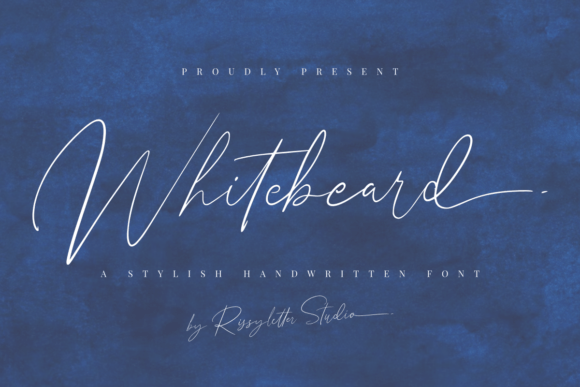
Whitebeard: A Handwritten Font for Editorial Elegance
For content creators, the right font can make all the difference in establishing a distinctive and engaging visual identity. Whitebeard, a premium handwritten font, is designed to bring a touch of elegance and personality to your editorial projects. Whether you're working on a lifestyle blog, an ebook, or a digital magazine, Whitebeard offers a unique and versatile solution.
Visual Characteristics and Style
Whitebeard stands out with its fluid, organic lines that mimic the natural flow of handwriting. This script font has a modern yet classic feel, making it perfect for adding a personal touch to your designs. The font's slightly irregular strokes and subtle variations in line thickness give it a warm, approachable quality that resonates well with readers.
Editorial Appeal and Practical Use
One of the key strengths of Whitebeard is its ability to enhance the visual hierarchy of your content. Use it for blog headers, magazine covers, and ebook titles to grab attention and set the tone. For instance, a recipe ebook could feature Whitebeard for the main title, creating a welcoming and inviting atmosphere. Similarly, a wedding guide could use this font for section headings and pull quotes, adding a touch of sophistication and charm.
Supporting Visual Hierarchy and Reader Engagement
Incorporating Whitebeard into your editorial design can help guide the reader's eye and maintain their interest. For example, using it for chapter openers in a digital magazine can create a visually appealing transition between sections. In newsletters, Whitebeard can be used for the main headline and subheadings, making the content more engaging and easy to scan.
Readability Considerations
While Whitebeard is a beautiful display font, it's important to consider readability, especially for longer text. For body copy, pair Whitebeard with a clean, readable serif or sans serif font. This combination ensures that the main content remains legible while still benefiting from the aesthetic appeal of Whitebeard. Additionally, test the font across different devices and formats, such as screens, PDFs, and print, to ensure it maintains its clarity and impact.
Font Pairing and Design Assets
To create a cohesive and professional look, consider pairing Whitebeard with complementary fonts. A classic serif font like Garamond or a modern sans serif like Montserrat can provide a balanced and harmonious design. For example, a coaching workbook might use Whitebeard for the cover and section titles, paired with a clean sans serif for the instructional text, creating a clear and organized layout.
Commercial Licensing and Usage
When using Whitebeard for commercial projects, such as ebooks, templates, and client publications, ensure you have the appropriate licensing. This not only protects your work but also supports the creators of this beautiful typeface. Check the included styles, alternates, ligatures, and multilingual support to maximize the font's versatility and utility in your projects.
Conclusion
Whitebeard is a valuable addition to any content creator's toolkit, offering a blend of style and functionality. Whether you're designing a lifestyle blog, a recipe ebook, or a digital magazine, this handwritten font can elevate your editorial designs and engage your audience. By carefully considering its use and pairing it with suitable fonts, you can create a visually stunning and reader-friendly publication.